Introduction
A transformer technical specification documents the electrical ratings, design characteristics, and operating requirements associated with a transformer. Its contents vary according to equipment type and application, with different considerations for industrial power systems, commercial buildings, and utility distribution networks. Understanding the information typically included in this document provides a starting point for examining transformer specifications in greater detail.

Why Should Buyers Review Transformer Technical Specifications Before Purchasing?
Transformer requirements can vary significantly between projects, even when the equipment has a similar rated capacity. A transformer intended for an existing distribution network may need to match a specific voltage ratio and vector group, while an installation with limited space may require particular dimensions, cooling arrangements, or enclosure configurations. Reviewing these requirements before purchasing helps buyers identify application-specific needs that could otherwise be overlooked during equipment selection.
What Key Parameters Should a Transformer Technical Specification Include?
A transformer technical specification should define the electrical ratings, performance requirements, construction details, and installation conditions relevant to the project.
Rated Capacity and Voltage
Specify the rated capacity in kVA or MVA, along with primary and secondary voltage ratings. Capacity should match the expected load and allow for reasonable demand changes, while voltage ratings must correspond to the supply network and connected equipment. Any required voltage adjustment provisions should also be identified.
Phase, Frequency, and Winding Connection
State whether the transformer is single-phase or three-phase, its operating frequency, and the required winding connection or vector group. These parameters determine compatibility with the electrical system and are particularly important when connecting the transformer to existing equipment or operating units in parallel.
Impedance, Efficiency, and Power Losses
Define the required impedance percentage and applicable limits for no-load and load losses. Impedance affects short-circuit current and voltage regulation, while power losses influence energy consumption and long-term operating costs. These requirements should align with the project's protection design and efficiency objectives.
Insulation, Temperature Rise, and Cooling
Specify the required insulation level, permissible temperature rise, and cooling method according to the transformer design and operating environment. Dry-type transformers may use AN or AF cooling, while oil-immersed models may use ONAN or other specified arrangements. These details help ensure the design suits the intended loading and site conditions.
Transformer Type and Construction
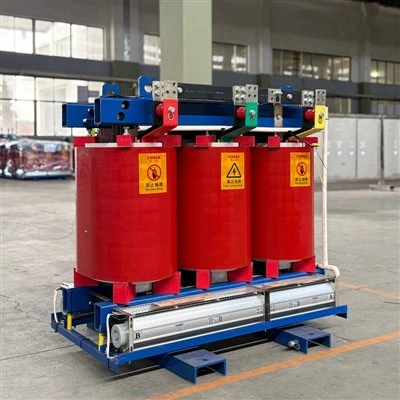
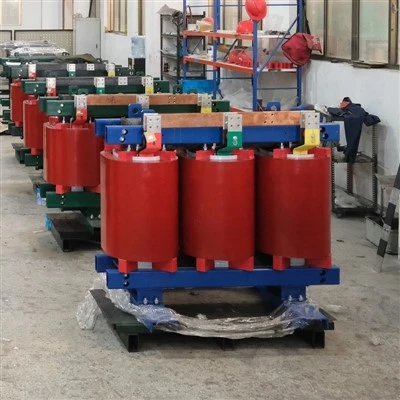
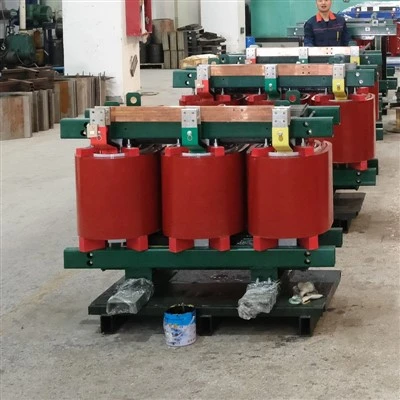
Identify the required transformer type, such as dry-type, oil-immersed, pole-mounted, or pad-mounted. Include relevant construction details such as winding materials, enclosure requirements, terminal arrangements, protection devices, and accessories according to the project's installation and operational needs.
Installation, Standards, and Testing Requirements
Document site conditions such as ambient temperature, altitude, ventilation, available space, and indoor or outdoor placement. Specify the applicable IEC, IEEE, or other project-required standards, together with required routine tests and any additional testing. Also identify the drawings, test reports, and operating documents needed for approval and acceptance.
How Can Buyers Confirm That a Transformer Meets the Specification?
Buyers can verify transformer compliance by reviewing technical documents, checking the proposed configuration, and confirming that the delivered equipment meets the approved requirements.
Review the Technical Data Sheet
Compare rated capacity, voltage, winding connection, impedance, cooling method, and other specified parameters against the approved specification. Any discrepancies should be clarified with the supplier before production begins.
Check Test Reports and Compliance Documents
Review routine test results, applicable standards, and any required additional test reports to confirm that the transformer meets the agreed technical and performance requirements.
Verify Drawings and Equipment Configuration
Check dimensions, terminal arrangements, accessories, and installation details against the approved project requirements before authorizing manufacturing.
Confirm Final Inspection and Acceptance
Establish inspection procedures and acceptance criteria before shipment. Where required, arrange factory inspection or acceptance testing to verify that the finished transformer matches the approved documentation.
How Does a Complete Transformer Specification Benefit the Procurement Process?
A complete transformer specification helps purchasing teams evaluate supplier offers, estimate project costs, and coordinate order requirements more efficiently.
- Make Supplier Quotations Easier to Compare: Using consistent technical requirements allows buyers to compare equipment configurations, included accessories, and commercial terms on the same basis rather than focusing on price alone.
- Improve Cost Estimation: Defining performance requirements, accessories, and customization needs early helps buyers identify potential additional expenses and prepare a more realistic procurement budget.
- Clarify the Scope of Supply: Specifying the required equipment, accessories, and deliverables helps buyers and suppliers agree on what is included in the order, reducing omissions and misunderstandings during execution.
- Streamline Procurement Coordination: A clearly defined specification gives purchasing, engineering, and project teams a shared reference for reviewing requirements, approving the order, and coordinating procurement activities.
- Strengthen Supplier Accountability: Documented technical and delivery requirements establish a clearer basis for assigning responsibilities and addressing deviations during order execution.
- Support Future Procurement Planning: Keeping complete specification records helps buyers reference previous projects, identify recurring requirements, and prepare more consistent documentation for future transformer purchases.
Conclusion
A transformer technical specification serves as a common reference for defining equipment requirements, preventing procurement misunderstandings, and verifying compliance. By documenting the essential electrical, construction, installation, and testing details, buyers can establish clearer expectations for both suppliers and project teams. CHBEB offers transformer solutions for a range of power distribution and industrial applications, with product configurations that can be evaluated against project requirements. Contact us to discuss your transformer specifications and identify a suitable solution for your application.