Introduction
Transformers are essential components of commercial and infrastructure power distribution systems, converting electrical energy to the voltage levels required by connected equipment. Choosing the right transformer involves balancing electrical performance, installation constraints, operating costs, and project requirements. Dry type transformers are one option for projects where these factors must be considered together.

Why Do Commercial Buildings and Infrastructure Projects Need Dry Type Transformers?
Commercial buildings and infrastructure facilities often have specific requirements for electrical equipment based on occupancy, building layout, and operating conditions. Hospitals and transportation hubs may prioritize dependable power distribution, while office buildings and shopping centers must consider electrical room space, maintenance access, and noise levels near occupied areas. Underground facilities and enclosed electrical rooms may also have limited ventilation or restricted access for equipment servicing. These conditions make it important to evaluate a transformer's installation suitability, cooling requirements, safety characteristics, and maintenance needs alongside its rated capacity.
What Are the Key Advantages of Modern Dry Type Transformers?
Modern dry type transformers offer several design and operating benefits that can support different power distribution requirements.
Oil-Free Insulation System
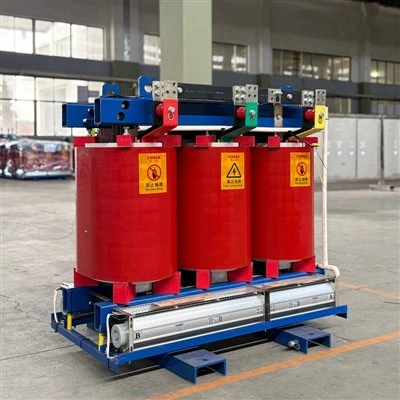
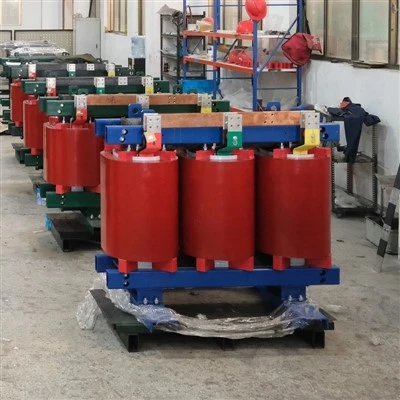
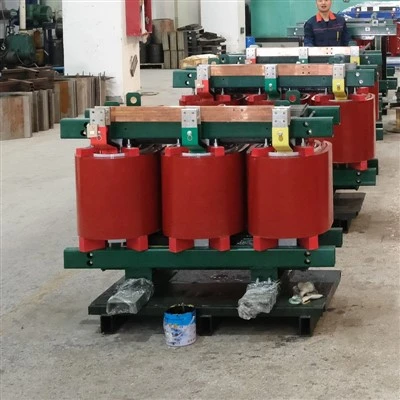
Dry type transformers use air or solid insulation rather than liquid insulating oil. This eliminates oil containment requirements and reduces maintenance tasks associated with insulating oil. Cast-resin designs may also provide flame-retardant properties, depending on the specific product construction and verified ratings.
Flexible Cooling Options
Natural-air cooling supports many standard operating conditions, while forced-air cooling can provide additional capacity when the transformer is designed and rated for it. Buyers should confirm the cooling method, ventilation requirements, and rated capacity to ensure the transformer can manage the expected load without exceeding its temperature limits.
Energy Efficiency
Core and winding losses affect electricity consumption throughout a transformer's service life. Comparing guaranteed no-load and load losses helps buyers evaluate operating costs more accurately. Selecting a transformer with suitable loss performance can support energy management objectives, particularly in facilities where the equipment operates for extended periods.
Configurable Electrical Specifications
Dry type transformers are available with different rated capacities, voltage ratios, insulation classes, winding configurations, and enclosure protection levels. These options allow buyers to match the equipment to the distribution network, connected loads, and installation environment rather than relying on a one-size-fits-all configuration.
Monitoring and Protection Options
Depending on the design, temperature sensors and protective devices can help operators monitor operating conditions and respond to abnormal temperatures. Buyers should verify the available monitoring functions and protection features against the project's technical specifications and operational requirements.
Suitability for Indoor Installations
Dry type transformers are commonly considered for indoor electrical rooms and installations near occupied spaces because they do not use liquid insulating oil. Their suitability still depends on factors such as heat dissipation, ventilation, ambient conditions, enclosure protection, and required electrical clearances. Evaluating these factors helps project teams determine whether a particular unit fits the intended installation.
How Should Buyers Select a Dry Type Transformer for Their Project?
Before placing an order, buyers should review the project's electrical requirements, installation conditions, and applicable technical standards.
- Match Rated Capacity and Voltage to the Load - Determine the required kVA rating using the connected load, demand profile, and expected future expansion. Confirm primary and secondary voltages, phase configuration, frequency, and connection group to ensure compatibility with the distribution network and connected equipment.
- Check Installation Conditions and Cooling Requirements - Review the electrical room's available space, ambient temperature, ventilation, dust exposure, and moisture conditions. The selected cooling arrangement and enclosure protection must suit the actual installation environment, with adequate clearance for heat dissipation and maintenance access.
- Compare Losses, Noise, and Applicable Standards - Evaluate guaranteed no-load and load losses, temperature-rise limits, and audible noise requirements. Confirm the applicable standards, such as IEC 60076-11 where required, along with project-specific inspection, testing, and documentation requirements.
Why Choose CHBEB for Dry Type Transformers?
For commercial and infrastructure projects, buyers need a manufacturer that can align transformer specifications with the electrical design and provide the documentation required for procurement and installation.
- Multiple Capacity and Configuration Options - CHBEB supplies dry type transformers in different capacities and configurations for commercial buildings, industrial facilities, and infrastructure applications.
- Project-Specific Specification Coordination - Buyers can discuss rated capacity, voltage ratios, cooling arrangements, enclosure protection, and other technical requirements to identify a suitable configuration for the project.
- Technical Documentation and Testing Confirmation - Before ordering, buyers can confirm the applicable standards, routine test documentation, and other inspection requirements with CHBEB to support the project's procurement and acceptance process.
- Delivery Planning - Confirming the final specifications and delivery schedule before production helps buyers coordinate equipment procurement with the wider construction and installation timeline.
Conclusion
Dry type transformers can meet the power distribution needs of commercial buildings and infrastructure projects through their oil-free construction, flexible configurations, and range of cooling and monitoring options. Selecting the right unit requires careful evaluation of load demand, installation conditions, energy efficiency, and applicable technical standards. A well-matched transformer can support reliable operation while aligning with a facility's long-term maintenance and energy management objectives. CHBEB provides dry type transformer solutions for a variety of commercial and infrastructure applications. Contact us to discuss your project specifications and identify a transformer configuration that matches your power distribution requirements.