Introduction
Transformers play a critical role in transferring and regulating electrical energy across power distribution systems, industrial facilities, and specialized equipment. However, not every project operates under the same electrical and installation conditions, making a standard transformer configuration unsuitable in some applications. When voltage levels, capacity, operating conditions, installation space, or other project requirements differ from conventional specifications, a custom transformer can provide a more appropriate solution tailored to the actual application.
Choosing the right custom transformer manufacturer is therefore an important part of the procurement process. A suitable manufacturer should be able to translate your project requirements into a practical transformer design and consistently manufacture, test, and support the finished product according to the agreed specifications.
Why Manufacturer Selection Matters for Custom Transformers

Custom transformer projects often involve electrical specifications, installation conditions, and technical requirements that cannot be addressed by a standard product alone. The manufacturer's engineering capability, manufacturing processes, testing resources, production capacity, and technical support can directly affect whether the final transformer meets the project's requirements.
For this reason, buyers should evaluate more than the initial quotation when selecting a custom transformer manufacturer. The right manufacturing partner should have the technical capabilities, quality controls, production resources, and project support needed to deliver a reliable solution from design through operation.
What Should You Look for in a Custom Transformer Manufacturer?
A reliable manufacturing partner should be able to translate project requirements into a transformer solution that is practical to produce, test, deliver, and support.
- Engineering & Design Capability
- Customization Range and Transformer Types
- Manufacturing & Quality Control
- Testing & Compliance Capability
- Production & Delivery Capability
- Technical & After-Sales Support
-
 Engineering & Design Capability
A capable manufacturer should be able to evaluate project requirements and develop a suitable transformer design. This may include customized capacity and voltage ranges, transformer configurations, core and winding materials, mounting methods, enclosure options, and detailed electrical and mechanical drawings.
-
 Customization Range and Transformer Types
Before choosing a manufacturer, buyers should confirm whether its customization capabilities match the actual requirements of the project. Relevant factors may include rated capacity, primary and secondary voltage, frequency, phase, transformer type, mounting configuration, dimensions, enclosure, materials, and other application-specific requirements. The manufacturer's available transformer types are also worth considering. A supplier with experience across different transformer applications may be better positioned to provide an appropriate solution when a project involves specialized electrical or operating conditions.
-
 Manufacturing & Quality Control
Consistent product quality depends on controlled materials, production processes, and finished-product inspection. Buyers should consider the manufacturer's manufacturing facilities, quality management practices, process controls, and inspection procedures to ensure the approved transformer design can be produced consistently.
-
 Testing & Compliance Capability
Testing verifies whether the finished transformer meets its specified electrical and performance requirements. Buyers should check the manufacturer's testing resources, applicable standards such as IEC or IEEE, and ability to provide required test documentation or customer-specified testing.
-
 Production & Delivery Capability
Manufacturing capacity directly affects a project's delivery schedule, particularly for large-volume or repeat orders. Buyers should assess whether the manufacturer can handle the required quantity, maintain consistent production for repeat specifications, and provide a realistic lead time.
-
 Technical & After-Sales Support
Technical support remains important after the design is approved, especially during installation and commissioning. Buyers should consider whether the manufacturer can provide technical documentation, installation guidance, commissioning assistance, and ongoing after-sales support when required.
How to Evaluate and Compare Custom Transformer Manufacturers
Once you have identified several potential suppliers, compare manufacturers based on their overall capabilities and project support rather than price alone.
Review Technical Capabilities
Review whether each manufacturer can provide the required transformer type, capacity, voltage range, materials, mounting configuration, and enclosure options. A manufacturer with broader customization capabilities can be better suited to projects involving non-standard electrical specifications, specialized applications, or specific installation requirements.
You should also consider whether the manufacturer can provide engineering support and detailed electrical and mechanical drawings when required.
Verify Manufacturing and Quality Control
Consider how effectively each manufacturer can turn the approved project requirements into a consistent finished transformer. Engineering resources, manufacturing facilities, production processes, and quality control procedures can indicate whether a manufacturer has the capabilities needed to manage customized transformer production.
Where possible, buyers should also review information about the manufacturer's production facilities, quality management practices, inspection procedures, and ability to maintain consistent quality across repeat orders.
Check Testing and Compliance Documentation
Compare the manufacturer's testing resources and quality assurance procedures against the project's requirements. Buyers should review available testing equipment, inspection processes, applicable standards, test documentation, and the manufacturer's ability to perform customer-specified tests when additional verification is required.
Rather than relying only on general claims about quality, review the actual technical and testing documentation available for the relevant transformer.
Evaluate Production Capacity and Lead Times
Compare each manufacturer's production capacity, expected lead time, and ability to support the required order quantity. For larger projects, it is also important to consider whether the manufacturer can maintain production consistency and delivery performance for subsequent orders.
A realistic assessment of production and delivery capability can help reduce the risk of delays caused by insufficient capacity or production scheduling constraints.
Review Communication and Project Management
A custom transformer project requires communication between the buyer and manufacturer throughout design, production, testing, and delivery. Buyers should consider whether the manufacturer provides clear technical communication, responds to engineering questions efficiently, manages design changes systematically, and keeps the project aligned with the approved specifications.
A structured communication and project management process can help reduce misunderstandings and unnecessary revisions during customized production.
Consider Total Value, Not Just Price
The final comparison should consider the complete value provided by each manufacturer, including technical suitability, manufacturing capability, product quality, testing, delivery reliability, documentation, and ongoing support. The lowest initial price may not represent the best choice if differences in specifications, quality assurance, lead time, or technical support create additional costs or project risks later.
What Should You Ask a Custom Transformer Manufacturer Before Choosing?
Before selecting a supplier, buyers should confirm that the manufacturer can meet both the technical and commercial requirements of the project. Useful questions include:
- Can you meet the required transformer capacity and primary and secondary voltage?
- What types of transformers can you customize?
- Can you provide electrical and mechanical drawings for design review?
- What customization options are available for materials, mounting, enclosure, and dimensions?
- Which testing procedures do you perform for finished transformers?
- Which standards can your transformers be manufactured and tested to?
- Can you provide test reports and other required technical documentation?
- What is your production capacity and typical lead time?
- Can you support repeat orders for the same customized specification?
- What technical and after-sales support is available after delivery?
The answers to these questions can help buyers determine whether a manufacturer has the engineering, production, quality, and support capabilities required for the project.
What Does a Reliable Custom Transformer Manufacturer's Process Look Like?
A reliable manufacturer should have a structured process for moving a custom transformer from project requirements to a finished product. Although the specific process may vary by manufacturer and project, it typically includes:
Requirement Review → Engineering Design → Design Approval → Manufacturing → Testing → Delivery
The purpose of this structured process is to ensure that the final transformer remains aligned with the approved electrical and mechanical specifications. Clear technical requirements, design review, quality inspection, and testing should be established before the transformer is delivered to the customer.
How to Compare Multiple Custom Transformer Manufacturers Before Deciding?
Compare manufacturers based on their overall capabilities and project support, rather than price alone.
- Compare Customization Capability
- Compare Engineering and Manufacturing Capability
- Compare Testing and Quality Assurance
- Compare Delivery and Project Support
- Compare Overall Value
-
 Compare Customization Capability
Review whether each manufacturer can provide the required transformer type, capacity, voltage range, materials, mounting configuration, and enclosure options. A manufacturer with broader customization capabilities can be better suited to projects involving non-standard electrical specifications, specialized applications, or specific installation requirements.
-
 Compare Engineering and Manufacturing Capability
Consider how effectively each manufacturer can turn the approved project requirements into a consistent finished transformer. Engineering resources, design support, manufacturing facilities, production processes, and quality control procedures can indicate whether a manufacturer has the capabilities needed to manage customized transformer production.
-
 Compare Testing and Quality Assurance
Compare the manufacturer's testing resources and quality assurance procedures against the project's requirements. Buyers should review available testing equipment, inspection processes, applicable standards, test documentation, and the manufacturer's ability to perform customer-specified tests when additional verification is required.
-
 Compare Delivery and Project Support
Consider more than the manufacturer's quoted lead time when evaluating delivery capability. Production capacity, repeat-order consistency, packaging and logistics support, installation guidance, commissioning assistance, and after-sales service can all affect whether the manufacturer can support the project reliably from production through delivery and operation.
-
 Compare Overall Value
The final comparison should consider the complete value provided by each manufacturer, including technical suitability, manufacturing capability, product quality, testing, delivery reliability, documentation, and ongoing support. The lowest initial price may not represent the best choice if differences in specifications, quality assurance, lead time, or technical support create additional costs or project risks later.
Why Choose CHBEB for Your Custom Transformer Project?
CHBEB combines transformer customization, engineering, testing, manufacturing, and technical support to provide solutions aligned with different project requirements.
✓ With custom transformer capacities from 100 to 20,000 kVA and voltage ranges from 300 V to 35 kV, CHBEB accommodates a wide range of electrical applications and system requirements.
✓ Offering single-phase and three-phase configurations, multiple mounting methods, core and winding materials, and enclosure options, CHBEB can adapt transformer designs to different installation and operating conditions.
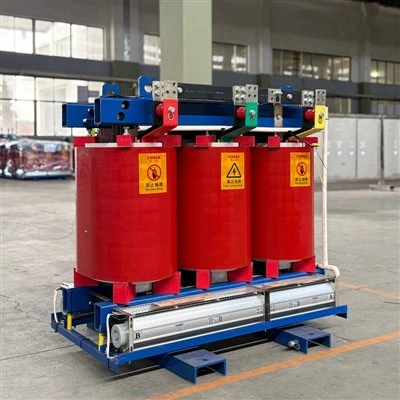
✓ Supporting a broad range of transformer types, including distribution, dry-type, hermetically sealed, grounding, traction, and rectifier transformers for different power and industrial applications.
✓ Backed by 100% product testing and IEC- and IEEE-based testing capabilities, CHBEB can also provide customer-specified tests when additional verification is required.
✓ Following a structured custom manufacturing process from requirement analysis and engineering design to production, testing, packaging, and delivery, CHBEB keeps each project aligned with the approved specifications.
✓ Providing installation guidance, commissioning assistance, operational training, and after-sales technical support, CHBEB continues to support customers beyond transformer delivery.