

Introduction
Data center projects require reliable electrical infrastructure to support continuous operation of servers, cooling systems, and critical facility equipment.
As one of the key components in medium-voltage power distribution systems, transformers directly affect power reliability, energy efficiency, and long-term operating performance.
However, selecting a transformer for a data center involves more than choosing the rated capacity. Project owners, EPC contractors, and electrical engineers must evaluate transformer type, voltage requirements, redundancy strategy, harmonic performance, testing procedures, and supplier capabilities.
This guide explains the key factors involved in transformer procurement for data center projects, helping buyers understand transformer selection, technical requirements, testing standards, and supplier evaluation.
Understanding the Role of Transformers in Data Center Power Systems
Transformers are a critical part of data center power infrastructure. They work together with utility systems, switchgear, UPS equipment, and power distribution systems to deliver stable power to IT equipment and facility operations.
In a typical data center electrical system, transformers are used to adjust voltage levels between the utility supply and downstream distribution equipment, ensuring safe and efficient power delivery.
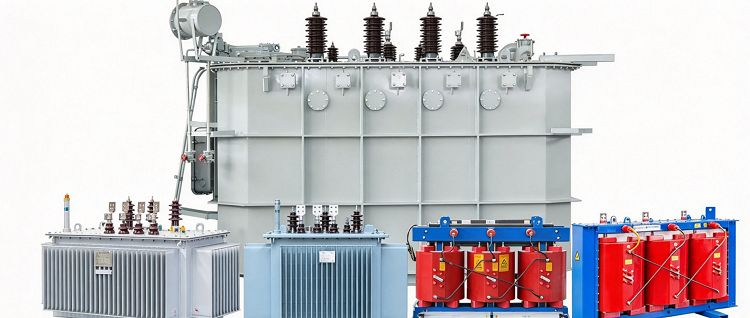
Depending on project requirements, data centers may use different transformer solutions, including:
- Oil-filled transformers for utility connections, outdoor substations, and high-capacity power distribution
- Dry-type transformers for indoor electrical rooms where safety, reliability, and low maintenance are required
- Pad-mounted transformers and compact substations for outdoor and integrated power distribution solutions
Common Transformer Types for Data Center Applications
Data center projects require different transformer configurations depending on power capacity, voltage requirements, installation conditions, and electrical distribution design.
As a transformer manufacturer, CHBEB provides customized transformer solutions for different data center power applications, including dry-type transformers, oil-filled transformers, pad-mounted transformers, and compact substations.
Dry-Type Transformers for Indoor Data Centers
Dry-type transformers are widely used in indoor power distribution systems of data centers for their safety, reliability and low maintenance requirements. Since no liquid insulation medium is used, dry-type transformers are often the preferred choice for installations where fire safety, environmental protection and indoor operation are critical considerations.
Key advantages include:
• Suitable for indoor power rooms
• Lower fire risk compared with oil-immersed (liquid-filled) transformers
• Low maintenance requirements
• Proven performance in commercial and critical infrastructure environments
Common dry-type transformer solutions for data center applications include:

Cast Resin Transformer
Cast resin transformers use solid insulation technology to provide excellent moisture resistance and insulation performance. They are suitable for indoor environments where reliability and long service life are required.
Typical applications:
• Data center buildings
• Electrical distribution rooms
• Commercial facilities
VPI Dry Type Transformer
VPI (Vacuum Pressure Impregnated) transformers provide enhanced insulation strength and mechanical durability through resin impregnation technology. They are suitable for demanding applications requiring reliable operation under varying environmental conditions.
Typical applications:
• Large-scale data centers
• Industrial facilities
• Critical power distribution systems
CHBEB provides customizable dry type transformer solutions from 30 kVA to 6000 kVA, supporting different data center power distribution requirements.
View CHBEB's Dry-Type Transformers
Oil-Filled Transformers for High-Capacity Data Center Power Systems
Oil-filled transformers are commonly used in data center projects requiring high power capacity, outdoor installation, and efficient thermal performance.
Compared with dry-type transformers, oil-filled transformers provide excellent cooling capability and are widely used for utility connections and medium-voltage power distribution systems.
Key advantages include:
• Suitable for high-capacity applications
• Efficient heat dissipation
• Flexible voltage and configuration options
• Suitable for outdoor substations
Typical applications include:
• Utility power connections
• Medium-voltage substations
• Large-scale data center campuses
When selecting oil-filled transformers for data center projects, buyers should consider:
• Transformer cooling method
• Installation environment
• Fire protection requirements
• Applicable IEC, ANSI, or IEEE standards
CHBEB manufactures three-phase oil-filled transformers with rated capacities from 30 kVA to 25,000 kVA, providing customized solutions according to project requirements.
Pad Mounted Transformers for Outdoor Data Center Distribution
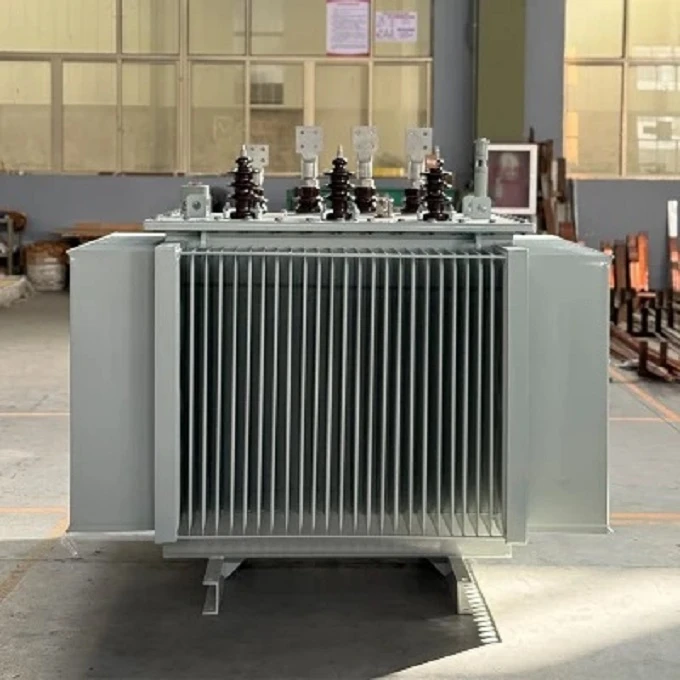
Pad mounted transformers are designed for outdoor installation and are commonly used in underground distribution systems. Their compact enclosure design makes them suitable for data center campuses where space optimization and reliable outdoor power distribution are required.
Key features include:
• Compact outdoor design
• Secure enclosure protection
• Space-efficient installation
• Suitable for underground distribution networks
Typical applications:
• Data center campuses
• Commercial power distribution
• Utility-connected facilities
CHBEB pad mounted transformers are available from 50 kVA to 2500 kVA, with customized configurations available according to voltage requirements, installation conditions, and project specifications.

Compact Substations for Integrated Data Center Power Distribution
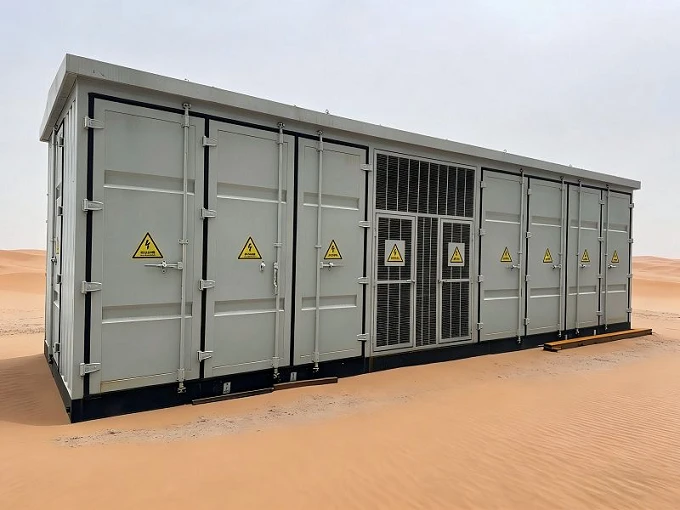
Compact substations integrate transformers, switchgear, and related electrical components into a factory-assembled solution. They help simplify installation, reduce site construction work, and improve project coordination.
Main advantages include:
• Factory-integrated solution
• Faster installation
• Reduced engineering coordination
• Suitable for modular and large-scale data center projects
Typical applications:
• Hyperscale data centers
• Modular data centers
• Infrastructure projects
CHBEB supplies compact substations designed for integrated medium-voltage power distribution applications.
Key Specifications to Define Before Purchasing a Data Center Transformer
Selecting a transformer for a data center project requires accurate technical information to ensure the transformer matches the facility's electrical system, operating conditions, and future expansion plans.
Before requesting a transformer quotation, buyers should prepare key project requirements, including load requirements, voltage levels, installation conditions, applicable standards, testing requirements, and delivery expectations.
|
Parameter |
Considerations for Data Center Projects |
|
Rated Power (kVA/MVA) |
Define transformer capacity based on IT load, UPS systems, cooling systems, auxiliary loads, and future expansion. |
|
Primary Voltage |
Specify the incoming utility voltage, such as 10kV, 11kV, 13.8kV, 20kV, or 35kV, according to project requirements. |
|
Secondary Voltage |
Confirm output voltage requirements for downstream equipment, such as 400V, 415V, or 480V systems. |
|
Frequency |
Confirm whether the project requires 50Hz or 60Hz operation based on regional grid standards and equipment requirements. |
|
Transformer Type |
Select the appropriate transformer design based on installation environment, safety requirements, and project specifications, such as dry type, oil-filled, pad mounted, or compact substation solutions. |
|
Cooling Method |
Define the required cooling system according to transformer capacity, installation conditions, and operating environment. |
|
Impedance |
Specify transformer impedance requirements to support system coordination, voltage regulation, and fault current considerations. |
|
Temperature Rise |
Determine allowable temperature rise based on reliability requirements, ambient conditions, and expected operating load. |
|
Insulation Level |
Confirm insulation performance requirements according to voltage class, operating environment, and applicable standards. |
|
Efficiency Requirements |
Consider transformer efficiency and energy losses to reduce long-term operating costs in continuous-load data center environments. |
|
Noise Level |
Confirm acceptable noise limits, especially for data centers located near offices, residential areas, or noise-sensitive environments. |
Transformer Selection Considerations for Data Center Projects
Selecting a transformer for a data center requires more than matching the rated power with the current electrical load. Because data centers operate continuously and support critical IT infrastructure, transformer selection should consider future expansion, system redundancy, power quality, and installation conditions.
Power Capacity and Load Growth
Transformer capacity should be planned according to both current requirements and future development.
During the selection process, buyers should consider:
Current IT load - Power demand from servers, networking equipment, and IT systems.
Future expansion - Additional capacity requirements caused by facility growth or increased rack density.
Cooling load - Power consumption from chillers, pumps, HVAC systems, and cooling equipment.
Auxiliary systems - Electrical requirements for lighting, monitoring, security, and facility equipment.
Reliability and Redundancy Requirements
Reliability is a key requirement for data center power infrastructure. Transformer configurations should align with the overall redundancy strategy to support continuous operation and maintenance flexibility.
Common data center redundancy configurations include:
N Configuration
The installed transformer capacity matches the required load without additional redundancy.
N+1 Configuration
One additional transformer unit is installed beyond the minimum requirement, allowing maintenance or unexpected downtime of one unit while maintaining normal operation.
2N Configuration
Two independent power systems are provided, allowing one complete system to support the load if the other system is unavailable.
Harmonic Loads from UPS Systems
UPS systems are widely used in data centers to provide backup power and protect sensitive IT equipment. However, UPS systems can introduce harmonic currents that may affect transformer performance.
When selecting transformers for UPS-supported applications, buyers should consider:
Transformer design - The transformer should be suitable for non-linear loads and harmonic operating conditions.
K-factor rating - Appropriate K-factor requirements should be considered where harmonic distortion is significant.
Temperature rise - Additional heating caused by harmonic currents should be evaluated during transformer design.
Noise Requirements
Noise performance can be an important consideration for data centers located near office buildings, commercial areas, or urban environments.
Buyers should evaluate:
Acoustic performance - Ensure transformer noise levels meet project requirements.
Installation requirements - Consider transformer room design, enclosure options, vibration control, and site conditions.
Testing Requirements for Data Center Transformers
Transformer testing is a critical step in the data center procurement process. Before shipment, transformers should be tested to verify electrical performance, insulation reliability, and compliance with project specifications.
A qualified transformer manufacturer should provide complete testing procedures and documentation to support project approval and long-term operation.
Common transformer testing includes:
|
Test Category |
Main Purpose |
|
Routine Tests |
Verify transformer performance, including winding resistance, voltage ratio, no-load loss, load loss, impedance, and insulation performance. |
|
Type Tests |
Evaluate transformer design performance, such as temperature rise and insulation capability. |
|
Special Tests |
Meet specific project requirements, including partial discharge, noise level, and other customized testing requirements. |
For data center projects, buyers may require a Factory Acceptance Test (FAT) before shipment. FAT allows project owners, EPC contractors, and third-party inspectors to verify transformer performance, review test results, and confirm compliance with project requirements.
Transformer suppliers should also provide complete technical documentation, including:
• Factory test reports
• Technical drawings
• Product specifications
• Inspection records
• Certificates
• Operation and maintenance manuals
CHBEB supports project-specific testing requirements and provides complete technical documentation to help customers complete project approval and installation processes.
What to Look for in a Data Center Transformer Supplier
Selecting the right transformer supplier is an important decision in data center power infrastructure projects. A reliable supplier should provide more than a transformer product - they should offer engineering support, manufacturing capability, quality assurance, and project coordination throughout the procurement process.
When evaluating a data center transformer manufacturer, buyers should consider the following factors.
Engineering Capability
Data center projects often require customized transformer solutions based on specific power systems, installation conditions, and technical standards.
A capable transformer manufacturer should be able to:
• Review project requirements and electrical specifications
• Recommend suitable transformer configurations
• Provide customized designs according to application requirements
• Support technical drawing review and approval
Manufacturing Capacity
Transformer projects, especially for large-scale data centers, require reliable production capability and consistent delivery performance.
Buyers should evaluate:
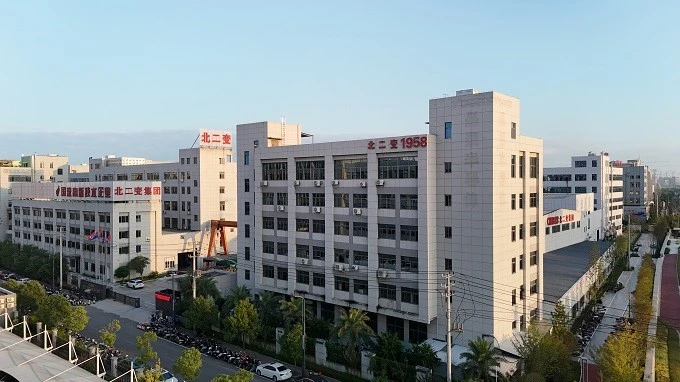
• Factory facilities and manufacturing equipment
• Production capacity for different transformer types and power ranges
• Manufacturing process control
• Ability to support project schedules and delivery requirements
Quality Control and Testing Capability
Transformer reliability depends heavily on manufacturing quality and testing procedures.
Buyers should confirm that suppliers have:
• Professional testing equipment
• Quality inspection procedures
• Routine and special testing capabilities
• Complete test documentation
For critical applications such as data centers, manufacturers should be capable of supporting Factory Acceptance Tests (FAT) and customer-specific inspection requirements.
Project Experience and Industry Applications
Experience with similar applications helps suppliers better understand project requirements and coordinate with different stakeholders.
Buyers should consider whether the manufacturer has experience supplying transformers for:
• Data center power systems
• Industrial facilities
• Utility infrastructure
• Commercial power distribution projects
A supplier with relevant project experience can provide better technical communication, documentation support, and delivery coordination throughout the project lifecycle.
Why Work with CHBEB for Data Center Transformer Projects
Selecting a transformer manufacturer with strong engineering capability, quality control systems, and international compliance is essential for data center projects.
CHBEB provides customized transformer solutions for global customers, supporting projects with professional engineering services, responsive technical support, and reliable power solutions.
Customized Transformer Solutions
CHBEB provides transformer designs based on specific project requirements, including power capacity, voltage levels, installation conditions, cooling methods, and application environments.
International Certifications
Our transformers are manufactured according to international standards, including IEC, IEEE, GOST-R, and other applicable requirements, ensuring compatibility with different power systems worldwide.
Quality Management
CHBEB operates under certified quality management systems, including ISO 9001, ISO 45001, and ISO 14001, with strict control throughout design, manufacturing, inspection, and testing processes.
Complete Project Support
From technical specification review and product selection to testing documentation and delivery coordination, CHBEB supports customers throughout the transformer procurement process.
Conclusion
Transformer procurement for data center projects requires careful evaluation of technical requirements, transformer configuration, testing capability, and supplier experience.
The right transformer solution should not only meet current power requirements but also support long-term reliability, energy efficiency, and future expansion. By defining clear specifications, selecting the appropriate transformer type, and working with an experienced transformer manufacturer, project owners and contractors can reduce procurement risks and improve project success.
CHBEB provides customized transformer solutions for data center power infrastructure, supporting customers with transformer selection, technical specification review, manufacturing, testing, and project delivery.
Need a Transformer Solution for Your Data Center Project?


