Introduction
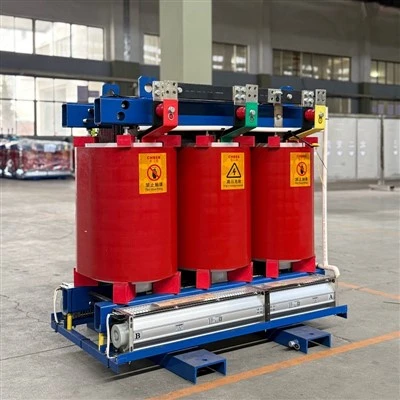
A Transformer Factory Acceptance Test (FAT) is a series of inspections and tests performed at the manufacturer's factory before a transformer is released for shipment. The purpose is to verify that the completed transformer complies with the approved technical specifications, applicable standards, guaranteed performance values, and project-specific requirements.
The scope of a transformer FAT can vary depending on the transformer type, voltage class, applicable standards, and purchaser's requirements. This guide explains the purpose of transformer FAT, the tests commonly included, and what buyers should review before accepting a transformer for delivery.

What Is the Purpose of a Transformer FAT?
The primary purpose of a transformer Factory Acceptance Test is to verify that the completed transformer meets the agreed technical and performance requirements before shipment. Depending on the project, these requirements may include approved technical specifications, drawings, applicable standards, guaranteed performance values, and customer-specific inspection requirements.
FAT is an important part of transformer quality control because it provides documented evidence of the transformer's condition and performance before it leaves the factory. Any abnormal test result or manufacturing issue can be investigated and corrected before shipment, reducing the risk of problems during installation and commissioning.

What Tests Are Performed During a Transformer FAT?
A transformer FAT typically includes a series of electrical, mechanical, and functional tests to verify the transformer's construction, insulation, electrical performance, and overall compliance with the specified requirements. The exact tests may vary depending on the transformer type, voltage level, applicable standards, and project specifications.
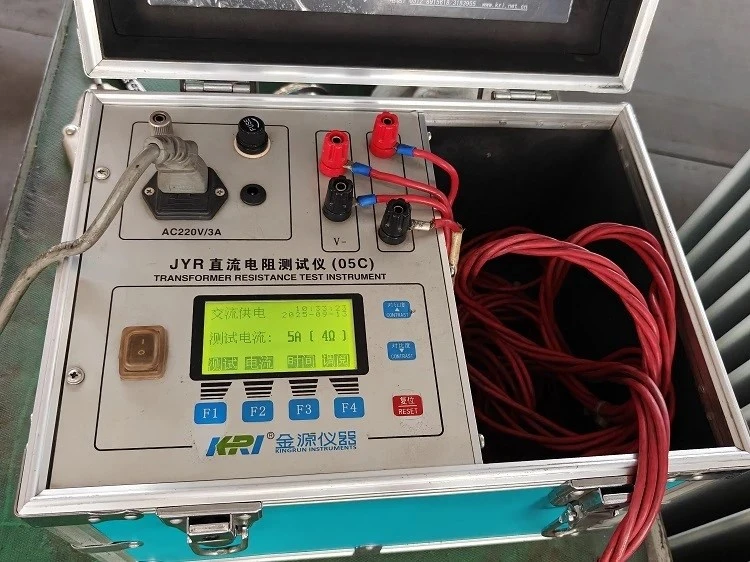
Winding Resistance Test
The winding resistance test measures the DC resistance of each transformer winding. It helps verify the continuity and integrity of the windings and can identify issues such as poor connections, damaged conductors, or abnormal contact resistance.

Transformer Turns Ratio (TTR) Test
The transformer turns ratio test verifies that the ratio between the transformer windings matches the specified value. Testing at the applicable tap positions can also help verify the transformer ratio and identify abnormalities associated with winding connections or tap settings.

No-Load Loss and Excitation Current Test
This test measures the transformer's no-load loss and excitation current under specified conditions with the secondary winding open-circuited. The results are compared with the guaranteed or specified values to verify the transformer's no-load performance and core characteristics.

Load Loss and Impedance Voltage Test
The load loss and impedance voltage test evaluates the transformer's load losses and impedance under specified conditions. The results help verify transformer losses, efficiency, electrical characteristics, and compliance with the guaranteed performance values

Insulation Resistance Test
The insulation resistance test evaluates the insulation condition between windings and between windings and ground. The test helps identify potential insulation deterioration, contamination, or moisture that could affect transformer reliability.

Applied Voltage Test
The applied voltage test checks the transformer's main insulation system by applying a specified power-frequency voltage between the windings and ground. It verifies that the insulation can withstand the required electrical stress without breakdown.

Partial Discharge Test
For transformers where partial discharge testing is required, the test detects localized electrical discharges within the insulation system. The results help assess the quality of the transformer insulation and identify potential defects that could develop into more serious problems.

Transformer Oil Dielectric Strength Test
For oil-immersed transformers, the transformer oil dielectric strength test measures the breakdown voltage of the insulating oil. It helps verify that the oil has adequate dielectric properties to provide reliable insulation during transformer operation.

Transformer Tank Pressure and Leakage Test
For oil-immersed transformers, the tank pressure and leakage test verifies the mechanical integrity and sealing performance of the transformer tank. It helps identify leaks or sealing defects in the tank, welds, flanges, gaskets, and other sealed components before shipment.
How Is a Transformer FAT Conducted?
A transformer Factory Acceptance Test (FAT) follows a structured process to verify that the completed transformer
meets the approved technical specifications, applicable standards, and project requirements before shipment.
Review of Technical Requirements
The manufacturer reviews the approved technical specifications, drawings, applicable standards, and FAT requirements to confirm the required test scope.
Transformer Preparation
The completed transformer is inspected and prepared for testing. Test connections, accessories, and relevant components are checked before the FAT begins.
Test Equipment Preparation
The required test equipment and measuring instruments are prepared and checked to ensure that the tests can be carried out properly.
FAT Test Execution
The specified electrical, insulation, performance, and other applicable tests are performed according to the agreed test procedures.
Test Result Recording and Review
The measured values and test conditions are recorded and compared with the applicable technical requirements, standards, and guaranteed performance values.
FAT Completion and Shipment Release
Fter all required tests are completed and the results meet the specified requirements, the FAT is completed and the transformer can be released for shipment according to the project requirements
Transformer FAT vs. Routine Test vs. SAT
FAT, routine testing, and Site Acceptance Testing (SAT) are related but serve different purposes.
|
Item |
Transformer FAT |
Routine Test |
Transformer SAT |
|
Location |
Manufacturer's factory |
Usually manufacturer's factory |
Project site |
|
Timing |
Before shipment |
During or after manufacturing |
After delivery and installation |
|
Main Purpose |
Verify compliance with agreed project and acceptance requirements before shipment |
Verify specified characteristics of the manufactured transformer |
Verify the transformer and installation are ready for operation |
|
Testing Conditions |
Controlled factory environment |
Controlled factory conditions according to the applicable test standard |
Actual site conditions |
|
Main Focus |
Overall compliance, specified performance, and project-specific requirements |
Electrical and manufacturing characteristics defined by the applicable standard |
Installation, connections, and site operating conditions |
|
Performed By |
Manufacturer and authorized inspectors |
Manufacturer or qualified testing personnel |
Site team, manufacturer, or qualified testing personnel |
What Happens If a Transformer Fails FAT?
If a transformer does not meet the specified acceptance criteria during FAT, the manufacturer should investigate the cause before the transformer is released for shipment.
The typical process is:
Identify the issue → Investigate the cause → Take corrective action → Retest → Confirm compliance
Depending on the test result, corrective action may involve checking the test setup, inspecting relevant components, making adjustments or repairs, and repeating the applicable test.
The transformer should only be released for shipment after the required acceptance criteria have been met and any outstanding issues have been resolved and documented.
What Should Buyers Check Before Transformer FAT?
Before a transformer FAT, buyers should confirm that the test scope and acceptance criteria are consistent with the purchase contract, approved technical documents, and project requirements.
Key items to review include:
Technical Specifications: Confirm the transformer's rated capacity, voltage, frequency, connection, impedance, losses, and other required parameters.
FAT Test Scope: Confirm which routine, special, and project-specific tests will be performed.
Applicable Standards: Check the applicable IEC, IEEE, or other project-specific standards.
Acceptance Criteria: Confirm the specified limits, guaranteed performance values, and other criteria used to evaluate the test results.
Witness Requirements: Clarify which tests will be witnessed by the buyer, consultant, or third-party inspector.
Test Documentation: Confirm the required test reports and other documents to be submitted after FAT.

Transformer FAT Testing at CHBEB's Factory
At CHBEB, transformer testing is integrated into our manufacturing and quality control process. We conduct the applicable tests according to the transformer design, technical specifications, applicable standards, and project requirements.
Our FAT support can cover electrical performance testing, insulation testing, and other specified inspections for different transformer applications. Where required, we can also support customer or third-party witness inspections and provide the relevant test documentation before shipment.
By completing the required factory testing before delivery, we help customers verify transformer compliance and reduce potential risks during installation and commissioning.

Conclusion
A Transformer Factory Acceptance Test (FAT) verifies that a completed transformer meets the specified technical and performance requirements before shipment. The test scope varies by transformer type, applicable standards, and project requirements. By completing FAT before delivery, manufacturers can verify transformer quality and performance under controlled factory conditions.
Transformer FAT provides buyers with an opportunity to verify transformer quality, performance, and compliance before shipment. Because the FAT scope depends on the transformer design, applicable standards, and project requirements, the test program should be clearly defined and agreed upon before testing begins.
A structured factory testing process helps identify potential issues before delivery and supports a smoother installation and commissioning process.
Need a Transformer with Project-Specific FAT Requirements?