Introduction
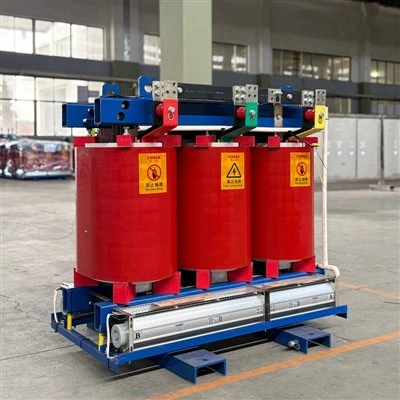
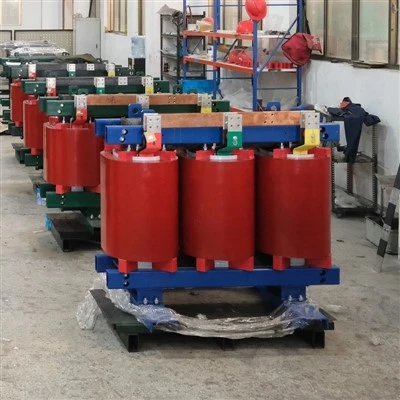
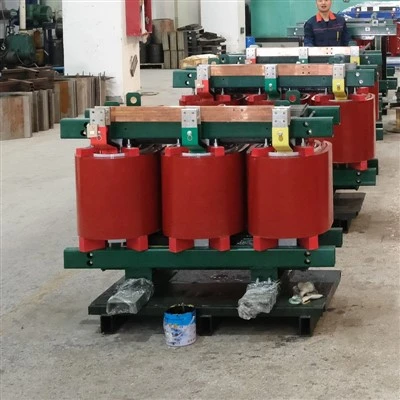
Transformers are essential components in power distribution systems, helping convert electrical voltage to levels suitable for transmission, distribution, and equipment operation. However, transformer requirements can vary significantly between indoor facilities, outdoor substations, industrial plants, and other power distribution environments. Dry type and oil-filled transformers are two widely used configurations, each using a different approach to insulation and heat dissipation. Understanding these differences can help project engineers and buyers select a transformer that fits the installation and operating conditions.
What Should You Consider When Comparing Transformer Types?
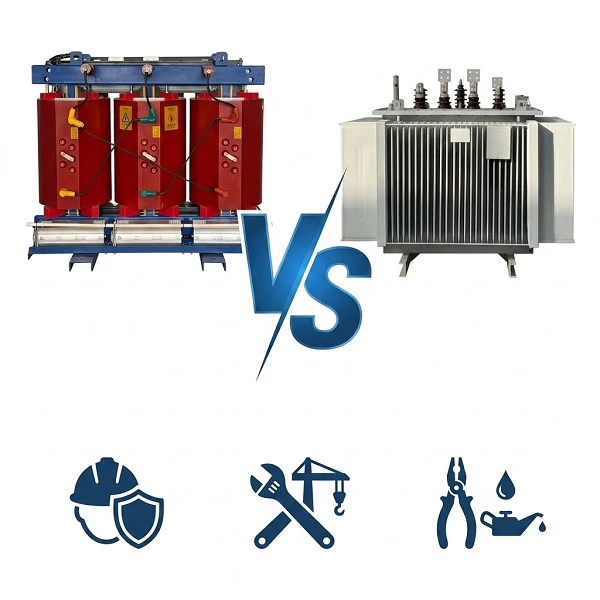
When comparing dry type and oil-filled transformers, looking beyond rated capacity and electrical specifications is important. Their different insulation and cooling systems can affect how the transformer is installed, operated, inspected, and maintained throughout its service life. Examining these differences from a practical perspective provides a clearer basis for evaluating the advantages, limitations, and operational considerations of each transformer type before making a selection for a specific project.
How Do Dry Type and Oil-Filled Transformers Differ in Safety, Installation, and Maintenance?
Dry type and oil-filled transformers use different insulation and cooling methods, which leads to distinct requirements for safety, installation, and routine maintenance.
|
Aspect |
Dry Type Transformer |
Oil-Filled Transformer |
|
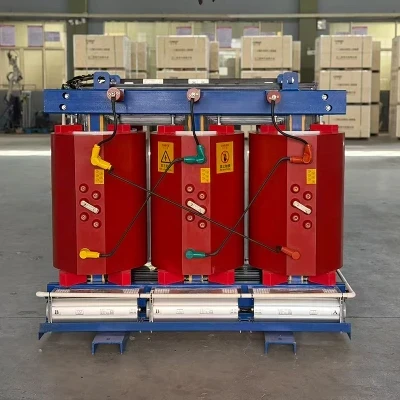
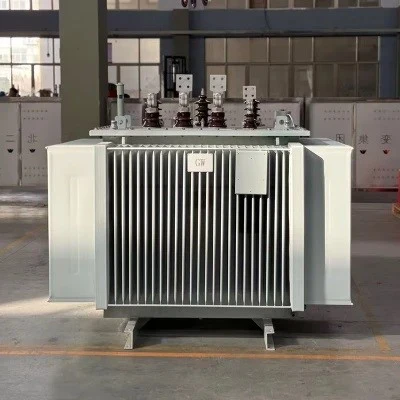
Images |
Dry Type Transformer |
Oil-Filled Transformer |
|
Safety |
Does not use insulating oil, so there is no risk of oil leakage or oil-related fire during normal operation. Its oil-free design can also reduce the need for oil containment and spill management. |
Uses insulating oil for both insulation and heat dissipation. Safety planning therefore needs to account for potential oil leakage, fire protection, and appropriate oil containment measures. |
|
Installation |
Installation is relatively straightforward as no oil containment system is required. No dedicated oil pit or firewall is needed. The transformer still requires sufficient clearance and ventilation to support heat dissipation and allow access for inspection. |
Installation requires a dedicated oil containment pit, firewalls, and proper fire protection measures. Adequate space must also be provided around the transformer and its cooling components. Typically requires more space and more complex site preparation. |
|
Maintenance |
Routine maintenance focuses on cleaning, insulation and coil condition, electrical connections, ventilation, and signs of overheating or abnormal operation. Regular removal of accumulated dust can help maintain insulation and cooling performance. |
Maintenance includes electrical inspections as well as monitoring oil level and condition, checking for leakage, inspecting seals and bushings, and maintaining cooling components. Oil testing may also be required according to operating conditions and maintenance practices. |
Which Transformer Fits Your Application?
The right transformer should be selected according to the specific requirements of the project and its intended application.
Choose a Dry Type Transformer When
• Indoor installation or installation close to electrical equipment is required
• Reducing oil-related fire and leakage concerns is important
• An oil-free transformer solution is preferred
• Limited space is available for oil containment and related safety provisions
• Routine maintenance needs to focus mainly on electrical, insulation, and cooling conditions
• The project requires a transformer with fewer oil-related management requirements
Choose an Oil-Filled Transformer When
• Outdoor or dedicated transformer installation is planned
• Effective heat dissipation is a major consideration
• The project can provide appropriate oil containment and fire protection
• Regular oil inspection and maintenance can be incorporated into the operating program
• The power distribution system requires an oil-insulated transformer configuration
• Adequate space is available for transformer installation, inspection, and maintenance
What Should You Check Before Ordering a Transformer?
Before placing an order, buyers should confirm that the selected transformer matches the project's electrical specifications, installation conditions, and technical requirements.
- Rated Capacity - Confirm the required transformer capacity based on the expected load and planned power demand.
- Primary & Secondary Voltage - Verify the input and output voltage requirements to ensure compatibility with the existing power distribution system.
- Frequency & Phase - Confirm the required frequency and phase configuration for the target electrical system.
- Transformer Type - Determine whether a dry type or oil-filled configuration is more appropriate for the project.
- Installation Conditions - Check available installation space, ventilation, access, and other site-specific requirements before finalizing the equipment.
- Protection & Accessories - Confirm required protection devices, monitoring components, terminals, enclosures, and other accessories.
- Applicable Standards - Make sure the transformer meets the electrical standards, certifications, and project specifications required in the target market.
- Customization Requirements - Confirm any requirements for dimensions, winding configuration, connection methods, enclosure design, or other project-specific specifications before production.
Conclusion
Choosing between a dry type and oil-filled transformer requires more than comparing electrical ratings. The right choice should consider the project's safety requirements, installation conditions, maintenance expectations, and specific electrical specifications to ensure reliable operation throughout the equipment's service life. CHBEB provides dry type and oil-filled transformer solutions for different power distribution requirements and project configurations. Contact us to discuss your application and find a suitable transformer solution for your project.