Introduction
Indoor power distribution systems require transformers that can deliver stable electrical performance while fitting the safety and operating requirements of enclosed spaces. In commercial buildings, factories, hospitals, schools, and other facilities, transformer selection needs to account for both electrical performance and the conditions of the installation environment. Dry type transformers offer an oil-free alternative for these applications, making them a practical option where fire safety, maintenance, and indoor operating conditions are important considerations.
Why Are Dry Type Transformers Suitable for Indoor Power Distribution?
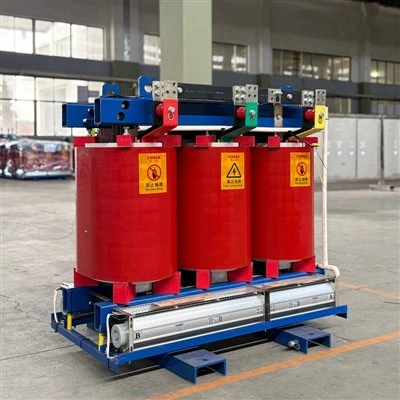
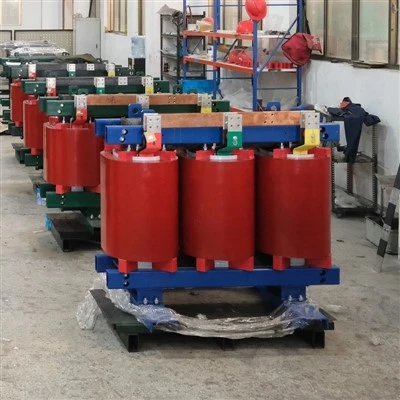
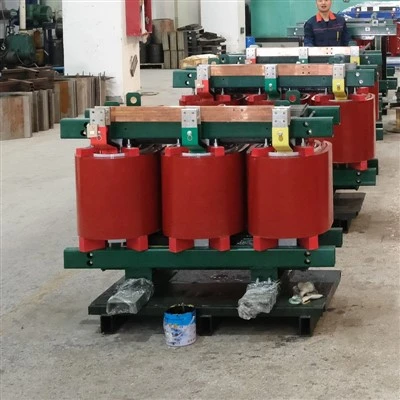
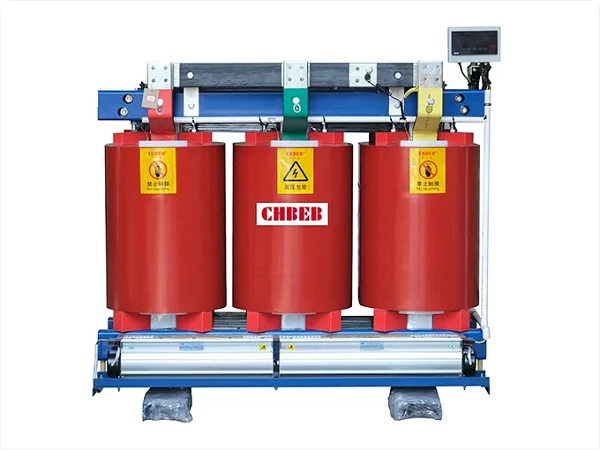
Dry type transformers are well suited to indoor power distribution because their oil-free construction eliminates the risks associated with oil leakage and helps reduce fire hazards within enclosed electrical spaces. Cast resin insulation also provides strong protection against moisture and dust while requiring relatively little routine maintenance. In addition, low-noise operation can make these transformers more suitable for buildings where electrical equipment operates near occupied areas. Together, these characteristics provide a balance of safety, reliability, and practical maintenance for indoor distribution systems.
What Factors Should You Consider When Buying a Dry Type Transformer?
The right dry type transformer should be selected according to the specific requirements of the power
distribution project, helping buyers avoid unsuitable configurations and unnecessary costs.
- Rated Capacity and Voltage
- Insulation System and Cooling Method
- Protection Level and Environmental Resistance
- Efficiency and Energy Losses
- Installation Space and Operating Conditions
-
 Rated Capacity and Voltage
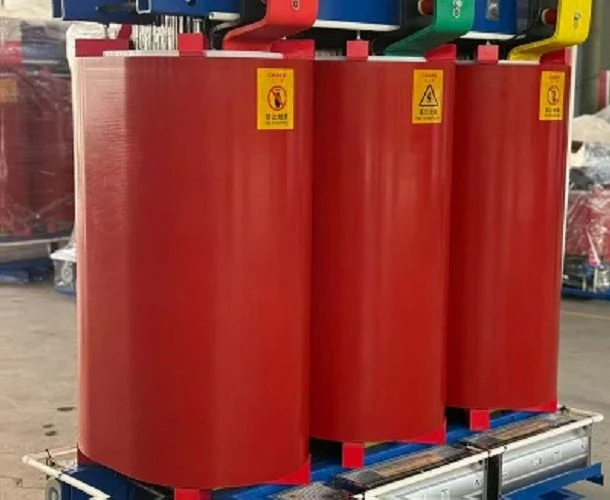
The transformer's rated capacity and voltage should match the requirements of the distribution system. Consider the connected load, peak demand, and potential future expansion when determining the kVA rating, while the primary and secondary voltages should correspond to the upstream power supply and downstream equipment. Proper sizing helps provide sufficient capacity without unnecessary oversizing.
-
 Insulation System and Cooling Method
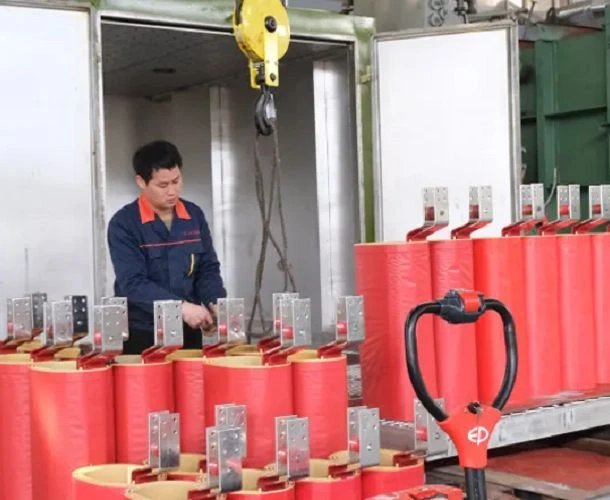
The insulation system and cooling method affect the transformer's reliability and thermal performance under different operating conditions. Dry type transformers may use cast resin or other air-insulated designs, while cooling can be configured with natural air cooling (AN) or forced air cooling (AF) according to the load and required heat dissipation. The appropriate combination should be considered based on the installation environment and expected operating conditions.
-
 Protection Level and Environmental Resistance
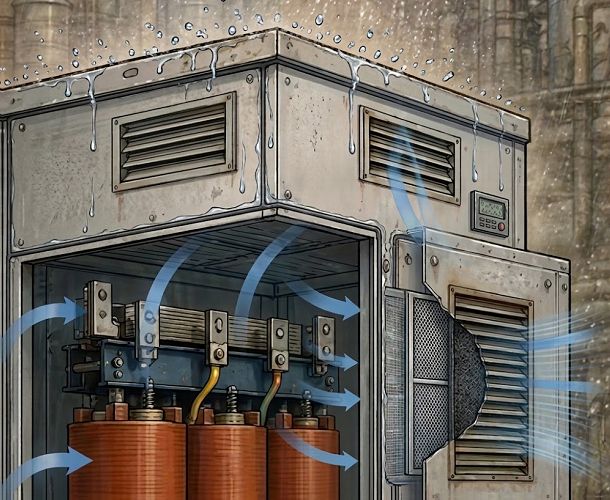
The transformer's protection level and enclosure design should be appropriate for the indoor installation environment. Consider factors such as dust, moisture, ventilation, and surrounding conditions when determining the required IP rating and enclosure configuration. Suitable protection helps limit environmental exposure and supports reliable operation over time.
-
 Efficiency and Energy Losses
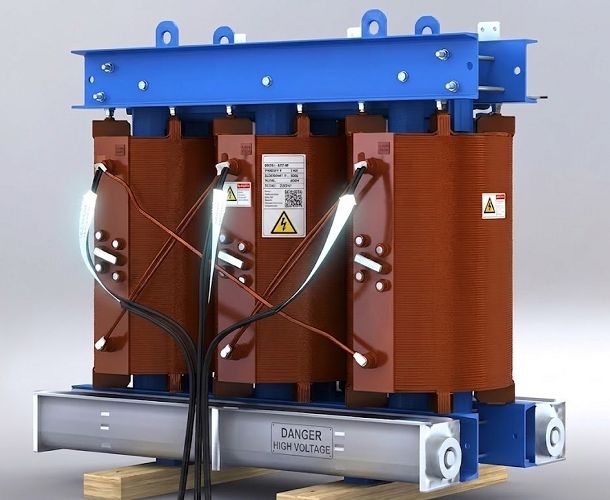
The transformer's efficiency and energy losses should be considered alongside its initial purchase cost. No-load and load losses affect energy consumption throughout the transformer's operating life, particularly in applications with continuous operation. Comparing these values helps buyers evaluate the balance between upfront investment and long-term operating costs.
-
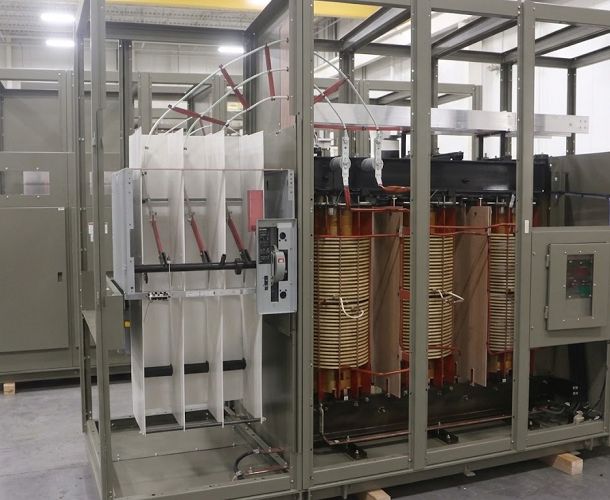 Installation Space and Operating Conditions
The transformer should fit the available installation space and operating conditions while meeting the electrical requirements of the project. Check its dimensions, ventilation conditions, noise requirements, and connection arrangement before ordering. Considering these factors early can help avoid installation limitations and ensure proper operation after commissioning.
How to Match the Transformer to Your Indoor Distribution Application?
Different indoor applications have different power distribution requirements, so transformer
selection should be based on the specific needs of each facility.
Commercial Buildings
Commercial buildings often have transformers installed close to occupied areas, making fire safety, noise control, and installation space important considerations. Buyers should focus on suitable capacity, low-noise operation, and an appropriate enclosure configuration that fits the building's electrical room or designated installation area.
01
Industrial Facilities
Factories may involve large motors, machinery, and fluctuating loads, creating greater demands on transformer capacity and thermal performance. Selection should therefore focus on load characteristics, cooling capability, overload requirements, and resistance to the environmental conditions around the production area.
02
Data Centers
Data centers depend on continuous and stable power for sensitive IT equipment and critical systems. Transformer selection should place greater emphasis on efficiency, thermal management, power quality, and compatibility with the facility's overall distribution architecture, particularly where equipment operates continuously.
03
Hospitals and Healthcare Facilities
Hospitals contain critical medical equipment and essential electrical loads, so the transformer needs to fit the facility's reliability requirements and distribution configuration. Buyers should consider stable operation, appropriate protection, and compatibility with the electrical system serving critical areas.
04
Schools and Public Buildings
Schools, libraries, and other public facilities generally require practical equipment that can operate reliably with manageable maintenance requirements. Selection can focus on appropriate capacity, safe indoor operation, noise control, and ease of maintenance according to the building's actual electrical demand.
05
Conclusion
Choosing a dry type transformer for indoor power distribution requires a balance between electrical performance, operating conditions, safety, and long-term practicality. The right solution should provide the required capacity and voltage while fitting the application environment, installation conditions, and expected operating demands. CHBEB provides dry-type transformer solutions for different indoor distribution applications, helping buyers select configurations suited to their project requirements. Contact us to discuss your project requirements and find the right dry-type transformer solution.