Introduction
Before a power transformer is shipped, factory testing is an essential step in verifying its electrical performance, insulation integrity, and compliance with the approved technical specifications.
For utility projects, industrial facilities, commercial buildings, and infrastructure developments, transformer test results provide important evidence for procurement approval and project quality control.
However, not every transformer undergoes exactly the same test program. The required tests depend on the transformer design, rated voltage, applicable standards, and project specifications.
This guide explains the key power transformer factory tests, what each test verifies, and what buyers should review in the test reports before accepting a transformer for delivery.
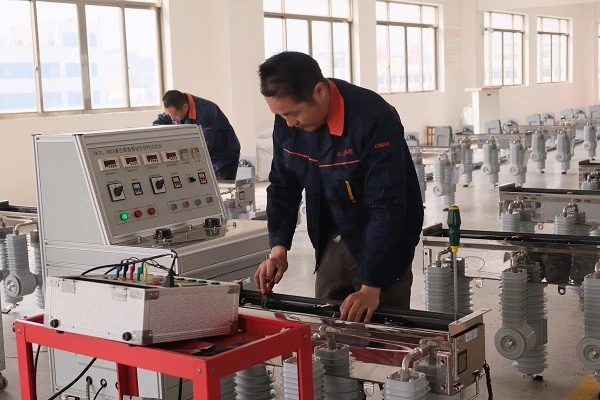
How Are Transformer Factory Tests Classified?
Transformer testing generally involves several categories of tests, each serving a different purpose.
- Routine tests: Performed on each transformer as required by the applicable standard and purchase specification to verify its individual characteristics.
- Type tests: Used to demonstrate that a transformer design meets specified performance requirements. These tests may be conducted on a representative unit rather than repeated on every production unit.
- Special tests: Additional tests agreed upon by the manufacturer and purchaser to verify specific design characteristics or project requirements.
- Factory Acceptance Testing (FAT): An inspection and acceptance process through which the purchaser or authorized inspector may review the agreed tests and documentation before shipment.
FAT is not a separate category of electrical test. Its scope can include routine tests, specified additional tests, document reviews, and witness inspections.
If you would like to learn more about FAT, you can read our other article: "What Is a Transformer Factory Acceptance Test (FAT)?"
Key Power Transformer Factory Tests Before Delivery
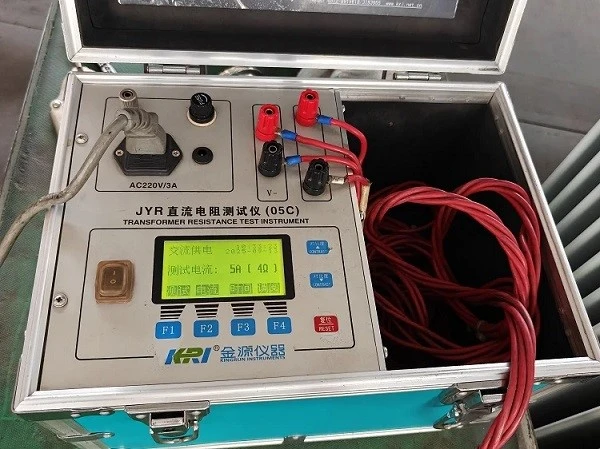
Transformer Winding Resistance Test
The winding resistance test measures the DC resistance of the transformer windings. It helps verify winding continuity and identify abnormal resistance that may indicate connection problems, poor contacts, or other manufacturing issues.
What buyers should check:
- Whether the resistance measurements cover the required windings and tap positions.
- Whether phase-to-phase or winding-to-winding differences have been evaluated where applicable.
- Whether winding temperature and any required temperature corrections are documented.
- Whether the measured results meet the applicable acceptance criteria.
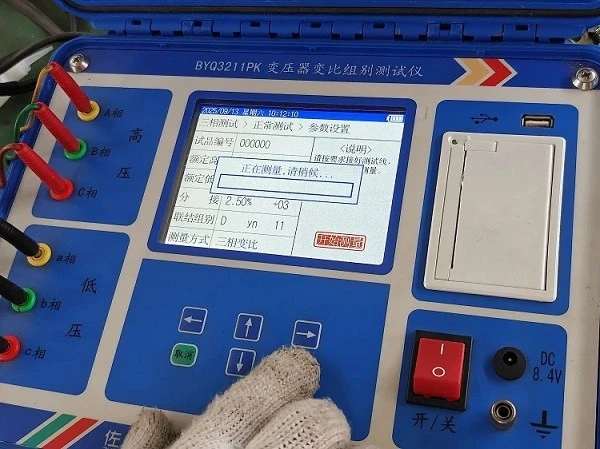
Transformer Turns Ratio and Vector Group Test
The transformer turns ratio test verifies the relationship between the primary and secondary winding voltages. The associated checks may include polarity, phase displacement, and vector group, according to the transformer configuration and applicable requirements.
If the turns ratio or connection group is incorrect, it may lead to problems such as abnormal voltage transformation, phase relationship deviation, or incompatibility with other electrical equipment.
What buyers should check:
- Whether the measured voltage ratio is consistent with the approved design requirements.
- Whether all required tap positions have been tested.
- Whether the vector group and phase displacement correspond to the nameplate and approved drawings.
- Whether any deviations exist, and if so, whether they have been investigated and properly resolved.
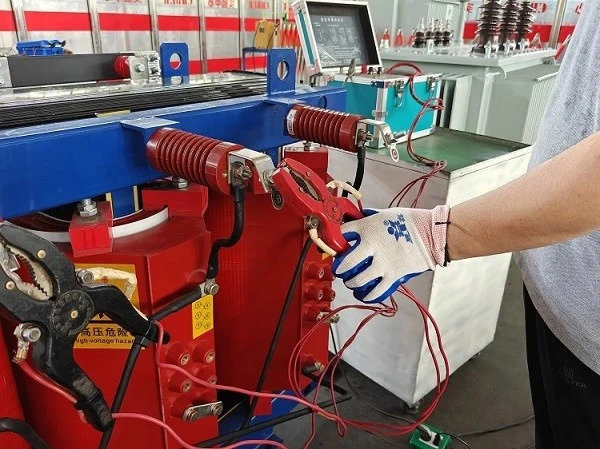
No-Load Loss and Excitation Current Test
The no-load loss test measures the power consumed by the transformer when it is energized under the specified test conditions with the secondary winding open-circuited. Excitation current is also measured.
These results provide information about the transformer's core performance and magnetizing characteristics. No-load loss is particularly relevant to buyers evaluating transformer energy consumption over its operating life.
What buyers should check:
- The measured no-load loss against the guaranteed value and contractual limits.
- The recorded excitation current and relevant test conditions.
- Whether the test voltage and frequency match the applicable procedure.
- Whether the reported value has been evaluated according to the specified requirements.
Load Loss and Short-Circuit Impedance Test
The load loss and short-circuit impedance test evaluates the transformer's electrical characteristics under specified test conditions. Load losses are primarily associated with winding resistance and other load-related effects, while impedance influences voltage regulation and fault-current behavior.
What buyers should check:
- Whether the measured load loss meets the guaranteed value and applicable tolerance.
- Whether the short-circuit impedance agrees with the approved specification.
- Whether the report identifies the relevant winding, rated current, and test conditions.
- Whether required temperature corrections have been applied.
Dielectric Withstand Tests
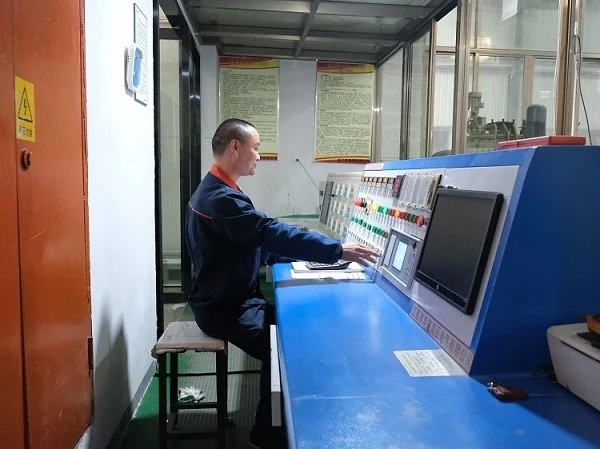
Dielectric tests evaluate whether the transformer insulation can withstand the specified electrical stresses.
Common dielectric routine tests include applied-voltage and induced-voltage tests, with the applicable test levels and procedures determined by the governing standard and transformer design.
An applied-voltage test evaluates insulation between the winding under test and earth or other specified parts. An induced-voltage test applies an appropriate voltage through the winding to test insulation under the prescribed conditions.
Depending on the transformer type, voltage class, applicable standards, and the requirements of the technical procurement specifications, manufacturers of power transformers may also need to perform other insulation-related measurements, such as insulation resistance measurements or partial discharge tests.
What buyers should check:
- Which dielectric tests are included in the approved test program.
- The specified test voltage, frequency, duration, and other relevant conditions.
- Whether the results meet the applicable acceptance criteria.
- Whether any abnormal observations or test interruptions have been documented.
Tap-Changer and Auxiliary Equipment Functional Checks
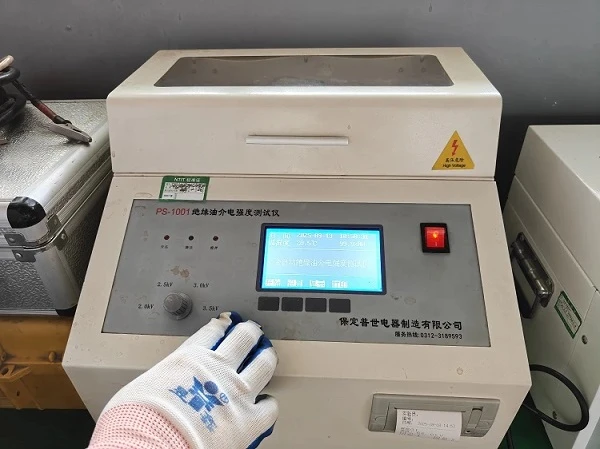
For transformers equipped with tap changers, control panels, monitoring devices, or other auxiliary equipment, functional checks help verify that the specified components operate as intended.
Depending on the design, these checks may include tap-changer operation, position indication, control-circuit functions, and the operation of specified accessories.
What buyers should check:
- Whether the tap changer operates through the required positions.
- Whether local and remote indications correspond to the actual operating position.
- Whether specified control functions and accessories have been checked.
- Whether identified faults have been corrected and retested.
Transformer Tank Tightness and Leakage Test
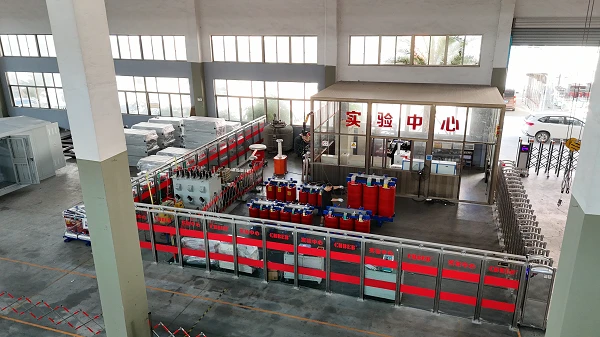
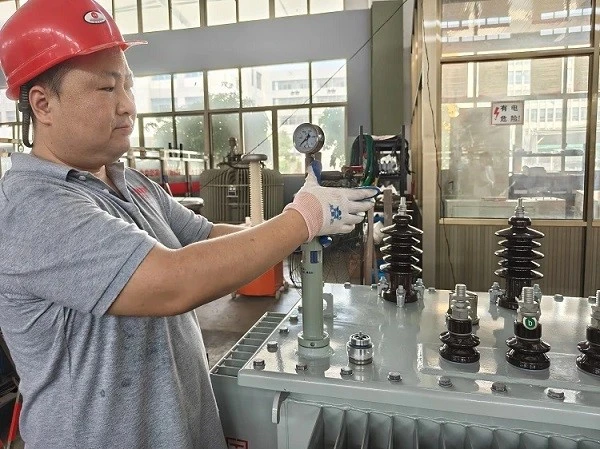
For oil-immersed transformers, tank tightness testing verifies that the tank and sealed components can maintain the required integrity under the specified test conditions.
Potential leakage points for oil-immersed transformers include welds, gaskets, flanges, valves, and other sealing connections. Any leakage can lead to a loss of insulating liquid and may compromise the reliability of the equipment.
What buyers should check:
- Whether the required pressure or tightness test has been performed.
- Whether the test conditions and duration are recorded.
- Whether the tank, joints, and relevant fittings meet the specified acceptance requirements.
- Whether any leakage or corrective action has been documented.
Additional insulating-oil tests, such as dielectric strength measurements, may also be specified for oil-filled transformers. These checks should be identified separately in the approved test scope.
Which Additional Transformer Tests May Be Required?
Depending on the transformer design, rated voltage, applicable standards, and purchaser requirements, the test program may include additional type tests or special tests.
|
Test |
Main purpose |
|
Temperature-rise test |
Evaluates thermal performance under specified operating conditions |
|
Lightning impulse test |
Assesses insulation withstand capability against specified impulse voltages |
|
Partial discharge test |
Detects and evaluates localized electrical discharges within insulation |
|
Sound-level measurement |
Verifies performance against specified acoustic requirements |
|
Zero-sequence impedance measurement |
Determines an electrical parameter relevant to certain grounding and fault studies |
|
Frequency Response Analysis (FRA/SFRA) |
Provides a response signature that can be used to assess winding and core condition when evaluated against appropriate reference data |
|
Short-circuit withstand test |
Evaluates the transformer's ability to withstand specified short-circuit stresses under the applicable test procedure |
This list is not a requirement that every transformer must undergo every test. The classification, frequency, and acceptance criteria for each test must be confirmed against the applicable standard and purchase contract.
For example, a temperature-rise test may be a type test, while a short-circuit withstand assessment may follow the applicable standard's type-test or special-test provisions. The required test evidence may also differ between projects.
How to Review a Power Transformer Test Report
Completing the tests is only part of the process. Buyers should also verify that the test reports provide sufficient evidence of compliance.
1. Match the Report to the Transformer
Confirm the transformer model, serial number, rated capacity, voltage ratio, frequency, connection group, and other relevant nameplate information. The report should clearly identify the unit being tested.
2. Review the Applicable Standards and Acceptance Criteria
Check that the test program follows the standards and contractual requirements specified for the project. Do not rely on generic pass/fail statements when numerical results or defined acceptance limits are required.
3. Check Test Conditions and Corrections
Review the test conditions, measurement units, tap positions, and any applicable temperature corrections or calculation methods. These details are important when comparing measured results with guaranteed values.
4. Confirm That Required Tests Are Documented
Compare the report against the approved test list. A report should clearly identify the tests performed and their results. Tests that are not applicable should be distinguished from tests that were required but not completed.
5. Review Deviations and Retest Records
If a result falls outside the agreed acceptance criteria, the issue should be investigated and resolved according to the applicable quality procedures and contract. Where retesting is required, the relevant results and corrective actions should be documented before shipment approval.
6. Confirm Witness and Approval Requirements
For projects requiring customer or third-party inspection, verify that the specified witness points, inspection records, signatures, and approval steps have been completed.
Power Transformer Pre-Delivery Testing Checklist
Before accepting a transformer for shipment, buyers can use the following checklist:
- The approved technical specifications and drawings match the manufactured unit.
- All required routine tests have been completed.
- Specified type tests and special tests have been addressed through the agreed test program and supporting evidence.
- Measured losses, impedance, ratio, and other guaranteed parameters meet the applicable acceptance criteria.
- Required dielectric and insulation checks have been completed.
- Tank tightness, accessories, and functional checks have been addressed where applicable.
- Test reports identify the transformer and document the required results.
- All outstanding deviations have been resolved and documented.
- Customer or third-party witness and approval requirements have been fulfilled.
- Shipment release follows the purchase contract and agreed acceptance process.
Transformer Testing at CHBEB
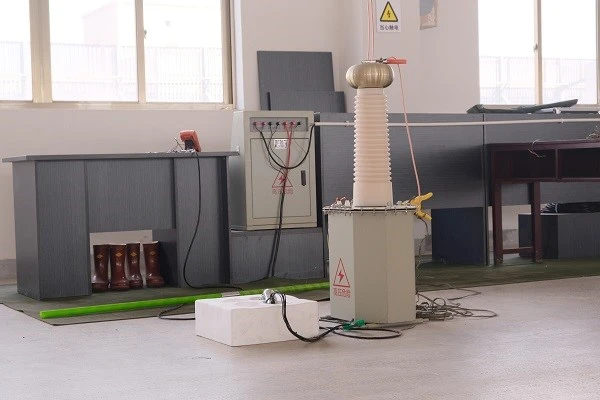
At CHBEB, transformer factory testing is an important part of our quality control process. Our listed testing procedures cover electrical performance, insulation integrity, and sealing checks to help verify transformer characteristics against approved technical specifications and applicable standards.
Factory Testing Capabilities
Depending on the transformer design and project requirements, our testing scope includes:
Electrical Performance Tests: Voltage ratio and tap-position checks, winding resistance measurements, no-load and load loss measurements, and impedance voltage testing.
Insulation and Dielectric Tests: Insulation resistance, withstand-voltage, and partial discharge testing where applicable.
Oil and Tank Integrity Checks: Transformer oil dielectric strength testing, along with oil pressure and seal tightness checks for applicable liquid-immersed transformers.
The specific test scope varies by transformer type, design, applicable standards, and contractual requirements. Not every test applies to every transformer model.
Explore our quality control processes to learn more about CHBEB's approach to transformer quality verification.
Explore CHBEB Transformer Solutions
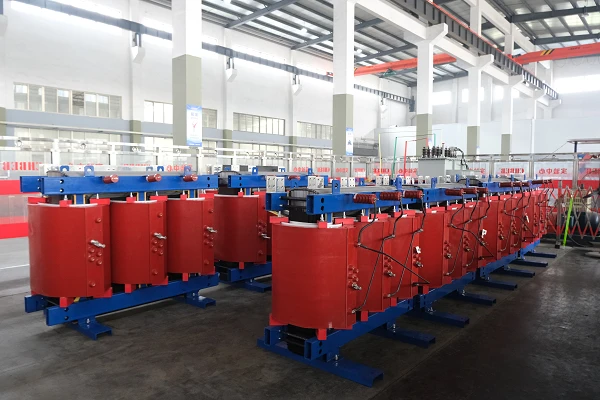
Different power distribution projects require different transformer configurations and installation arrangements. CHBEB supplies a range of transformers and integrated substation solutions for utility, industrial, commercial, and infrastructure applications.
Explore our product range to identify a suitable solution for your project's electrical specifications, installation environment, and operating requirements.
- Oil-Filled Transformer
- Dry Type Transformer
- Compact Substation
- Pole Mounted Transformer
- Pad Mounted Transformer
-
 Oil-Filled Transformer
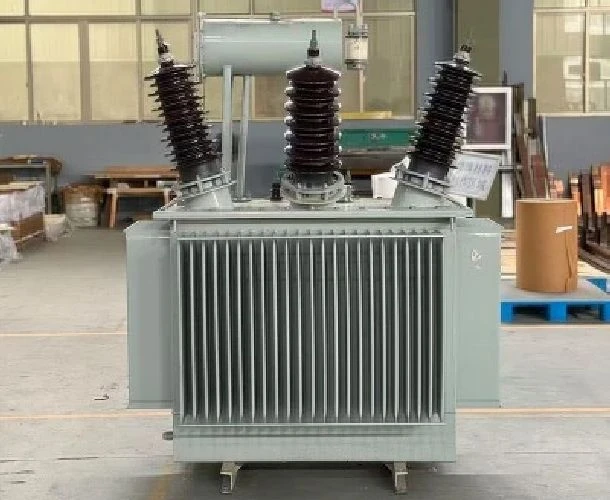
Designed for power and distribution applications requiring liquid-immersed insulation and cooling. Available configurations can be tailored to project requirements for rated capacity, voltage, losses, and applicable standards.
-
 Dry Type Transformer
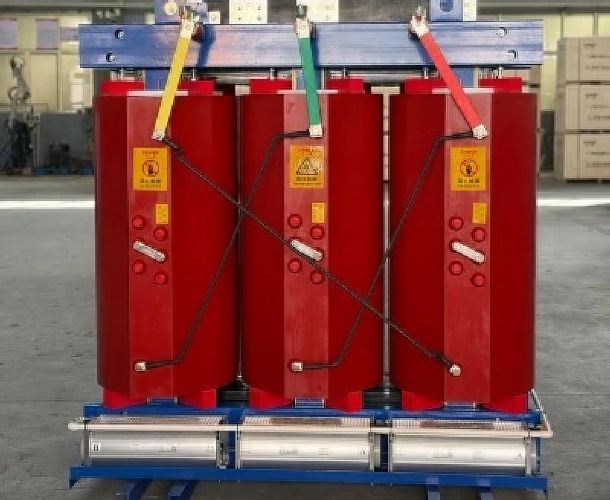
Suitable for indoor power distribution in commercial buildings, industrial facilities, and infrastructure projects. Selection depends on capacity, voltage, insulation system, cooling arrangement, and installation conditions.
-
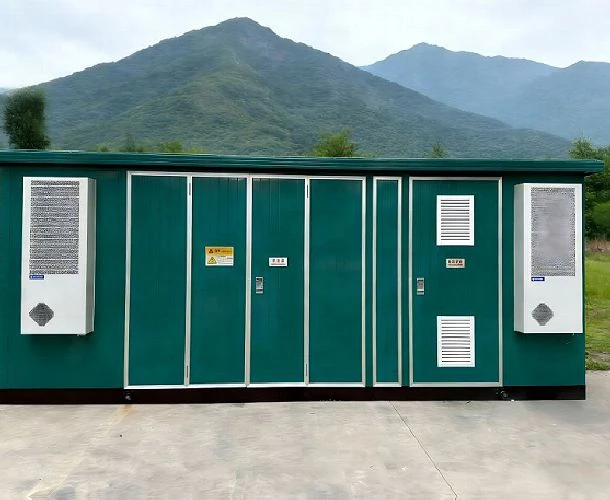 Compact Substation
An integrated solution combining medium-voltage switchgear, a transformer, and low-voltage distribution equipment within a compact enclosure. Factory acceptance requirements may cover transformer electrical tests as well as specified switchgear, control, and functional checks.
-
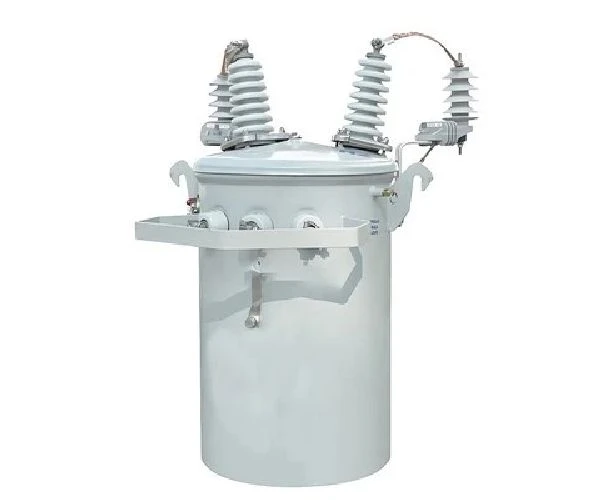 Pole Mounted Transformer
Designed for overhead power distribution networks serving utility, rural, residential, and other distribution applications. Key selection factors include rated capacity, voltage configuration, phase arrangement, and utility requirements.
-
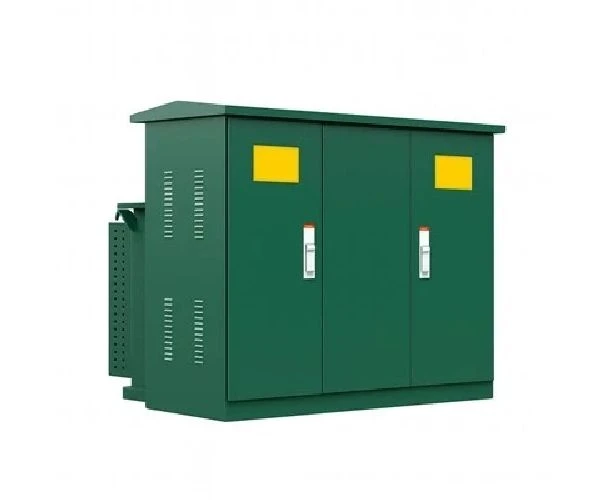 Pad Mounted Transformer
Designed for ground-level installation in distribution networks, particularly systems using underground cables. Project specifications should address electrical ratings, enclosure configuration, cable connections, protection requirements, and site conditions.
Conclusion
Power transformer factory testing helps verify electrical performance, insulation integrity, and compliance with project specifications before delivery. By reviewing test results and supporting documentation, buyers can confirm that the manufactured transformer meets the agreed technical requirements.
For procurement teams, defining the required tests and acceptance criteria early helps reduce uncertainty during factory inspection and shipment approval.
Planning a transformer procurement project?